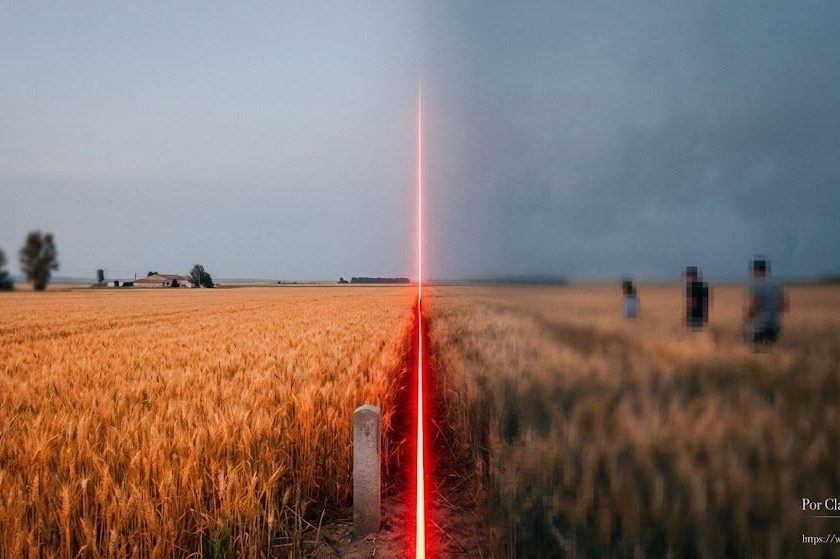

Time’s Puzzle: Why fulfillment only reveals itself once it becomes memory, and how to learn to inhabit the present before it turns into nostalgia.
By Claudia Benítez
HoyLunes – There is a question that tends to surface late, almost always when we are no longer in the place where it originated: *Was I happy then?* It is not a question formulated in the heat of the moment, but later, once time has passed and the present becomes a point of comparison. Perhaps therein lies one of the most uncomfortable keys to happiness: it is rarely recognized while it is happening.

In the previous article, I spoke about the trap of the immediate—how pleasure (fast, intense, and fleeting) disguises itself as happiness. But happiness, understood as something deeper and more lasting, seems to play a different game: it does not impose itself with fireworks, but rather infiltrates daily life silently. That is why it is so difficult to identify in real time.
We live immersed in the present, resolving emergencies, adapting, and even surviving what we supposedly once desired. Human beings quickly grow accustomed to what they previously considered an achievement. This adaptation allows us to move forward, but it also robs us of perspective. What seemed sufficient yesterday becomes normal today; what was a desire yesterday is routine today. In that process, happiness—if it is there—becomes invisible.

We look back and discover that what we did not know how to name was perhaps well-being, stability, or meaning. Not because the past was perfect, but because we now have a frame of reference. Happiness, then, is not revealed by accident, but by contrast.
Our memory plays a central role in this realization. We do not remember life as it was, but as we interpret it today. By reconstructing the past, we grant it meaning: we see efforts that bore fruit, decisions that built something, and stages that, even with their difficulties, sustained a life we now recognize as valuable. Thus, happiness becomes a retrospective evaluation rather than a specific, momentary emotion.
This also explains the painful reverse: in the same way, there are those who look back and see not construction but loss; not growth but stagnation. Life, then, is narrated as a succession of wasted opportunities. This occurs even if there was pleasure or good moments at the time, because the current comparison redefines the entire journey.
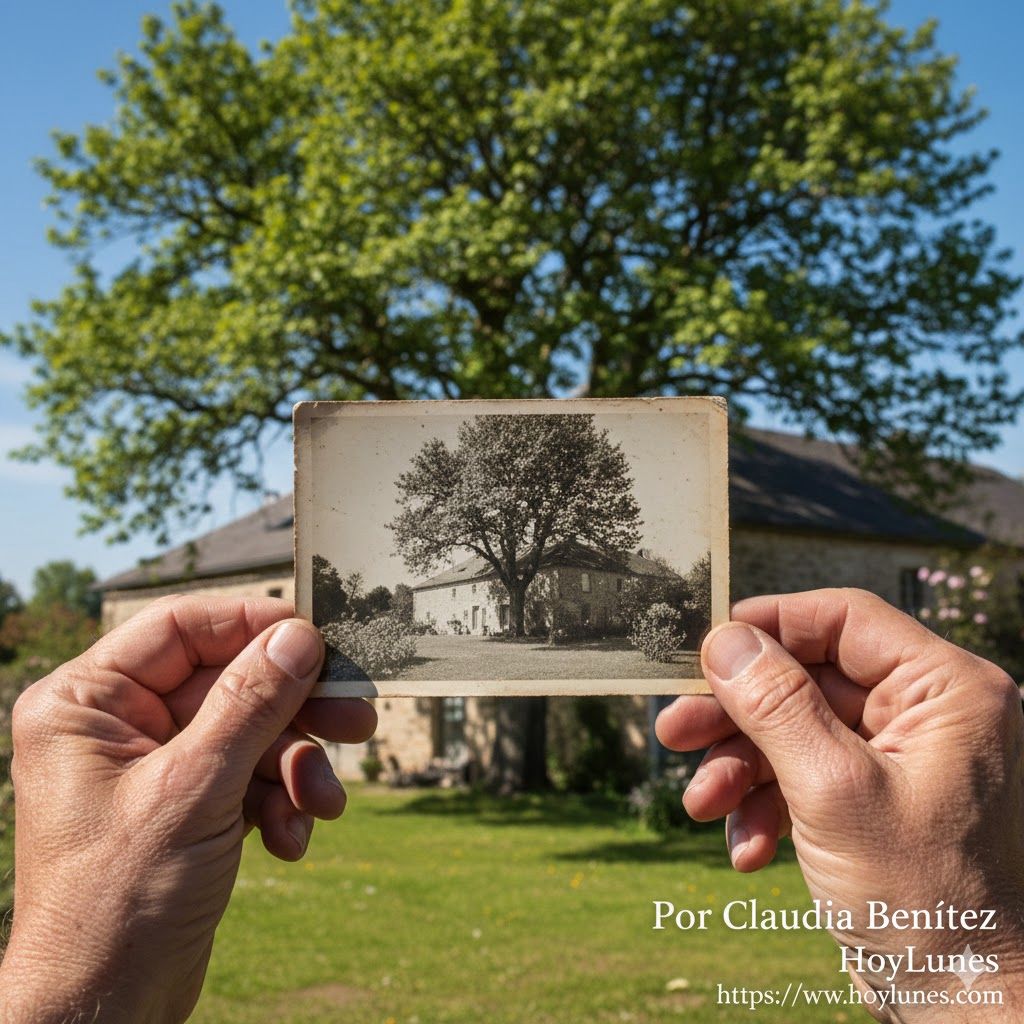
Perhaps the question is not only “when” we are happy, but “how” we learn to recognize it. If happiness tends to reveal itself late, perhaps the challenge lies in training our gaze: learning to read the present with the awareness that one day it will be the past. Not to force happiness, but to inhabit life with more attention, knowing that what today seems simply “normal” could be, tomorrow, the memory of a happy time.

#HoyLunes #ElInstanteInvisible #Reflexiones #FelicidadRetrospectiva #PsicologíaYVida #ClaudiaBenítez #ConcienciaPresente