
Beyond the toasts and the clamor, the end of the year whispers an outstanding invitation: to inhabit the silence, to name that which is wounded, and to discover that forgiveness is not forgetting, but rather the light luggage we need to begin anew.
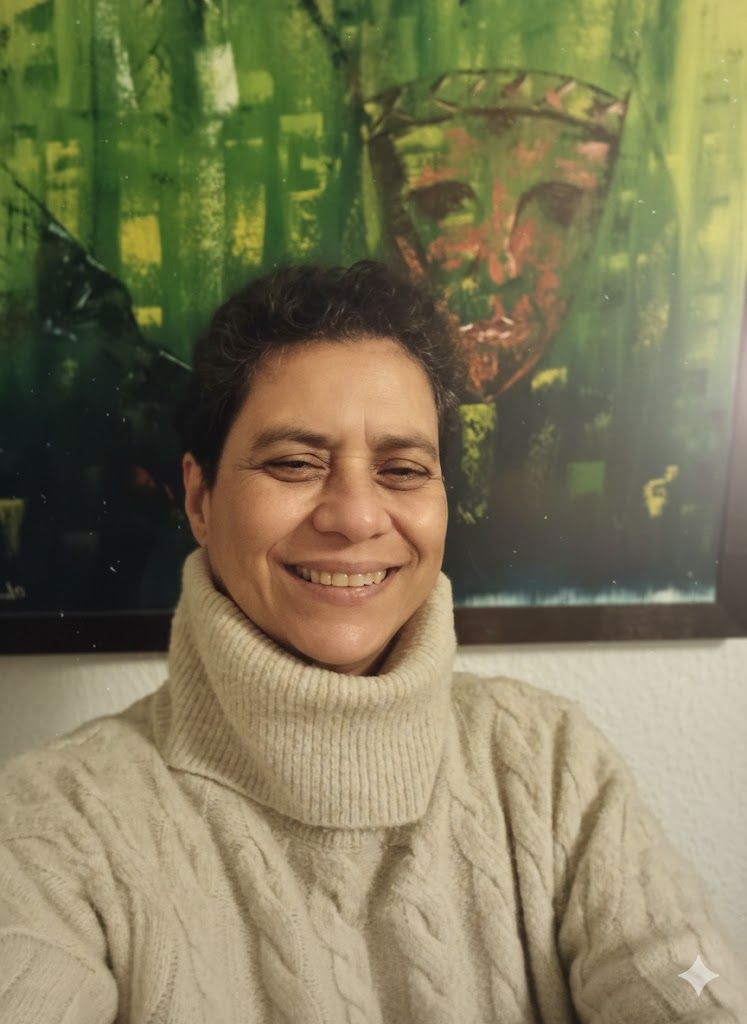
By Claudia Benítez
HoyLunes – Time makes no noise; the year does not announce its closure. It folds in upon itself at a moment when rest is sought, simply inviting us to pause. In the midst of a life marked by accelerated transformations, this instant reaches us with a silent question: how are we inhabiting our bonds? Routines have changed, ways of communicating have multiplied, but something essential has often remained suspended between half-said words and silences that became habit.
In this context, love, forgiveness, and reconciliation appear as profoundly human and necessary acts—not as idealized gestures, but as real processes that begin with the word.

Naming what hurt, recognizing mistakes, expressing boundaries, and giving thanks for what was received: all of this releases pent-up emotions and opens the possibility of transforming bonds that have frayed amidst haste and disconnection. Reconciliation occurs as the product of a delicate process made of pauses, listening, and interior availability.
In a society that has learned to respond quickly and listen little, these simple gestures acquire an unexpected density.

Social changes have modified our routines; they have also altered our way of being with others. Our relationships remained stalled in distance, suspended in prolonged silences—not always for lack of love, but due to exhaustion, fear, or misunderstandings that no one knew how or was able to name, in distances that were not always chosen. This time offers us the chance to look at those relationships without harshness and ask ourselves what deserves to be restored, what needs to be said, and what is best to let go of to move forward with greater lightness.
When born from consciousness, the word has a healing power. It does not eliminate pain, but it acknowledges it. It does not promise perfect endings, but it allows for honest closures. Asking for forgiveness does not erase the past, but it redefines its meaning; reconciling does not imply forgetting, but rather integrating the experience and choosing a more humane way to continue our own path. In a world marked by tension and accelerated change, these intimate gestures become acts of emotional and ethical resistance.

Closing the year through forgiveness and reconciliation does not mean resolving everything, but rather releasing what is heavy. It is allowing the word to restore trust and understanding that healing our bonds is also a profound way of taking care of ourselves. In times of transformation, choosing the conscious word is choosing humanity.
Happy year-end holidays and a new beginning full of harmony to accompany us always!
#hoylunes, #claudia_benitez,