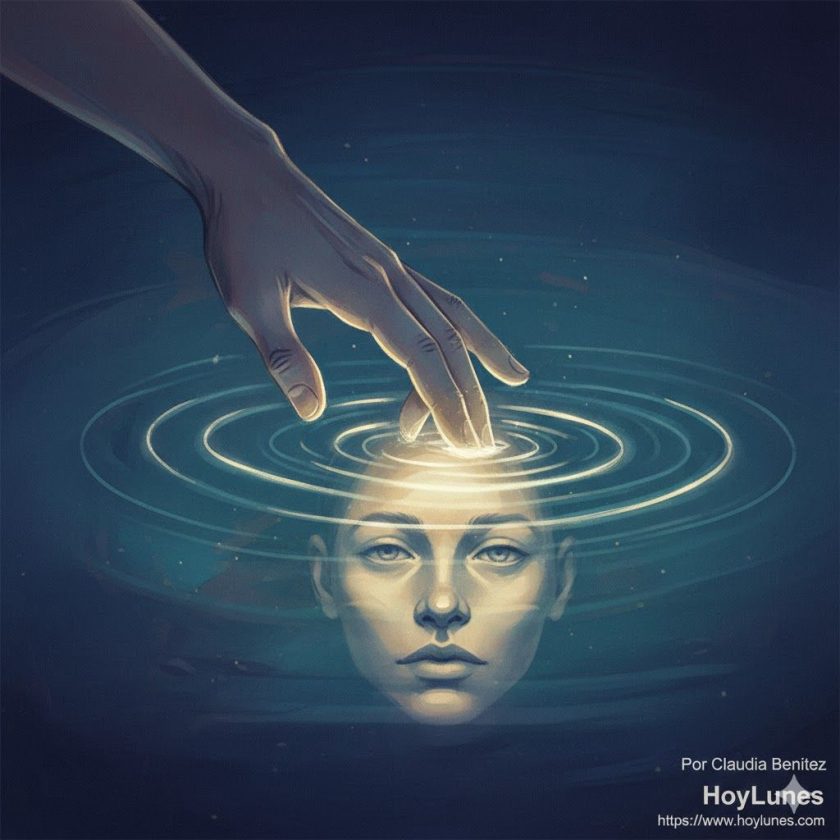
The Deceptive Dance of the Immediate: Unraveling Ephemeral Pleasure from Deep and Lasting Happiness.
By Claudia Benítez
HoyLunes – In everyday language, pleasure and happiness are often used as synonyms. However, although they are related, they are profoundly different experiences. Seeking what makes you feel good, avoiding pain, and repeating pleasant experiences seems like a logical formula. Yet, over time, pleasure—though intense and necessary—is not enough to sustain a deep sense of well-being. Something is missing, even when everything is “going well”. That is why understanding the difference between the two is a necessary exercise for reflecting on the way we live and make decisions.
Pleasure is an immediate sensation, linked to the body and the senses, and tied to our internal reward system. It appears as an instantaneous response to specific stimuli, producing an agreeable sensation that the brain registers and seeks to repeat. Its main characteristic is brevity; the response adapts quickly. Pleasure appears, is enjoyed, and disappears rapidly, leaving behind the desire to repeat the experience. What generated enthusiasm yesterday barely provokes satisfaction today. Pleasure, by its very nature, is ephemeral and demands constant renewal. Therefore, when it becomes life’s primary goal, it breeds dependency, dissatisfaction, or a constant search for increasingly intense stimuli.
Humanity has spent centuries warning about this trap: the need to differentiate a life oriented toward pleasure from a life oriented toward meaning. Happiness is built over time; it does not depend exclusively on pleasant moments or external stimuli. It is not an emotional peak, but a way of inhabiting life. From this perspective, happiness does not consist of feeling good all the time, but of feeling that what one lives has coherence and value. It is a deeper and more lasting state, related to the meaning we give to our lives, the alignment between what we think, feel, and do, and the quality of our bonds.

This difference becomes evident during difficult times. There are experiences that are not pleasurable—effort, loss, renunciation, responsibility—and yet, they can contribute to a deeper happiness if we perceive that our lives have purpose and direction. Caring for someone, upholding a commitment, or working toward a meaningful goal usually involves discomfort, but it also strengthens our self-esteem and builds a sense of purpose.
Pleasure tends to be individual, while happiness almost always includes others. Sharing, loving, contributing, and feeling part of something larger than oneself strengthens the sense of long-term well-being. Feeling authentic, true to who we are and to what we consider valuable, proves more decisive than the constant pursuit of pleasure.
Problems arise when the accumulation of pleasures is confused with happiness. In a society that promotes rapid consumption and immediate gratification, it is easy to believe that being happy is equivalent to feeling constant pleasure. However, this pursuit usually leads to emptiness, as no pleasure is sufficient on its own to sustain emotional well-being.

Recognizing the difference between pleasure and happiness does not imply rejecting pleasure, but rather placing it in its proper perspective. Pleasure can enrich life, but happiness is constructed through meaning, commitment, and authenticity. Learning to distinguish them is, perhaps, one of the most important steps toward living more fully and consciously.
Confusing pleasure with happiness leads to an endless race, where every satisfaction is brief and every void demands to be filled quickly.
Recognizing their difference does not mean giving up pleasure, but rather ceasing to ask of it what it cannot give. Pleasure embellishes life; happiness gives it depth. Perhaps true balance consists of enjoying the former without losing sight of the latter.

#hoylunes, #claudia_benitez,