Twenty-two auteur films, awarded at Cannes, Berlin, Venice, and San Sebastián, will transform Madrid’s districts into laboratories of ideas and cultural encounters, with free admission for all audiences.
By Jorge Alonso Curiel
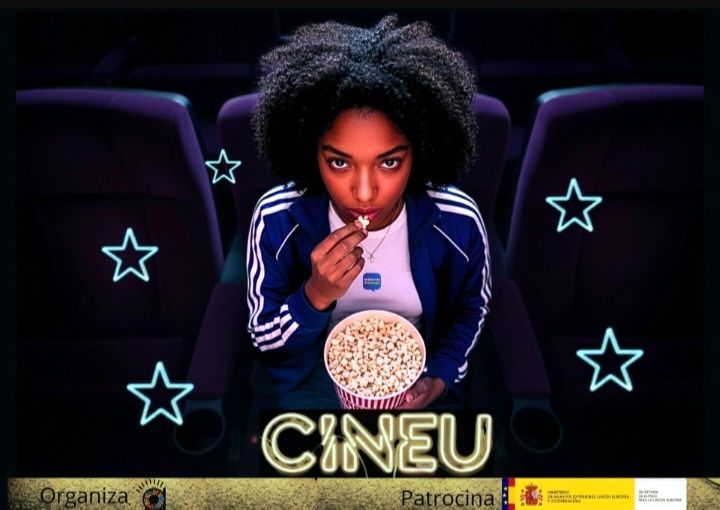
HoyLunes – Starting Thursday, October 3, Madrid will host the First European Film Showcase, CINEU, a decentralized and free-of-charge auteur cinema festival across the capital’s districts.
With free admission, CINEU will present its program between October and November at the cultural centers of Valdebernardo, La Vaguada, Emilia Pardo Bazán, and El Madroño, turning Madrid’s districts into showcases of the best European cinema. Audiences will enjoy works by great masters such as Mohammad Rasoulof, Agnieszka Holland, Aki Kaurismäki, and Mati Diop, alongside new voices exploring memory, identity, and social transformation in Europe.
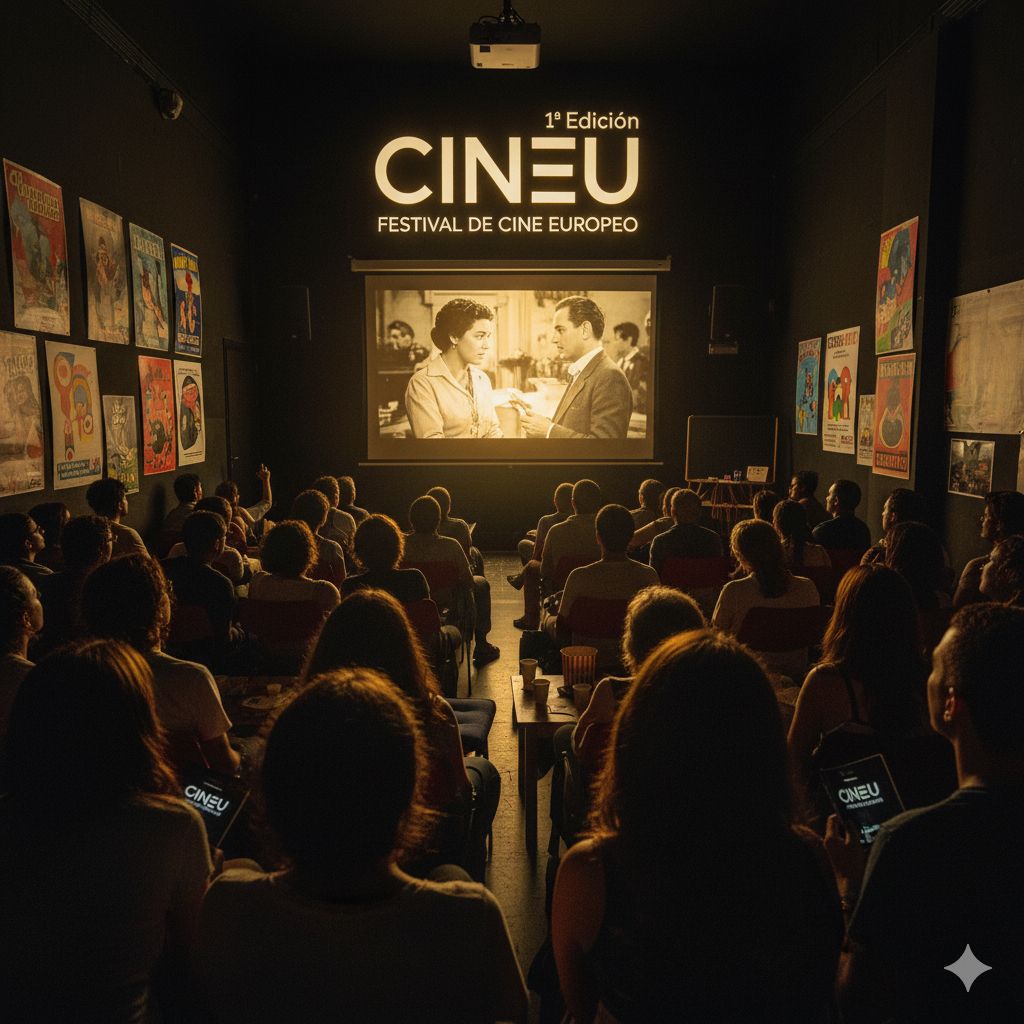
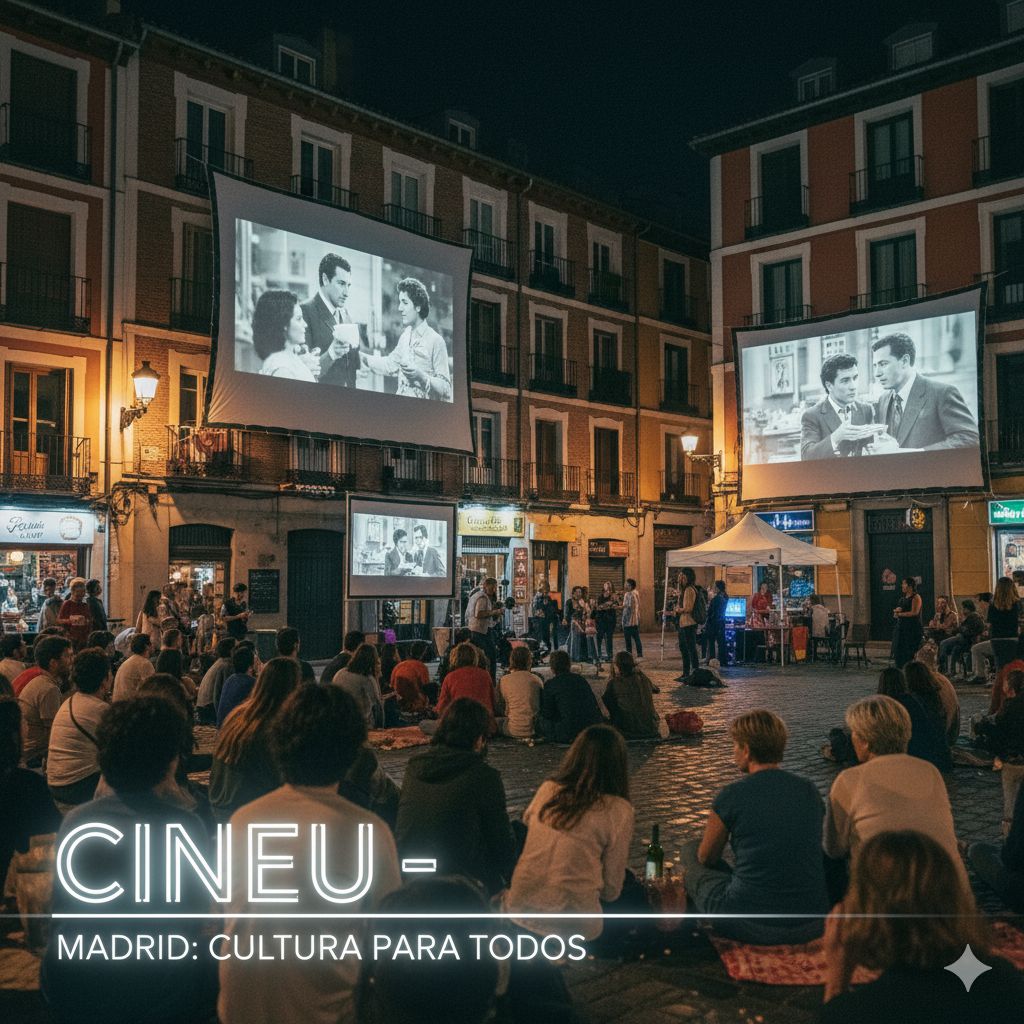
Throughout October and November, Madrid will become a true living map of European cinema thanks to the first edition of CINEU. Organized by el ojO cojo with the support of the Ministry of Foreign Affairs, the festival aims to bring the people of Madrid a selection of award-winning films recognized at Cannes, Berlin, Venice, and San Sebastián. Its distinctive feature: reaching directly into the city’s districts, with free entry and open spaces for debate.
In doing so, CINEU fulfills one of its main objectives: to democratize access to culture by offering quality cinema with disruptive narratives, especially attractive to younger audiences who often distance themselves from commercial theaters.
Screenings will be divided among the cultural centers of Valdebernardo and El Madroño (Vicálvaro district), La Vaguada (Fuencarral–El Pardo district), and Emilia Pardo Bazán (Centro district). Each venue will become more than just a projection space: a laboratory of ideas and a meeting point to reflect on and experience contemporary Europe through film.
The first edition of CINEU presents a total of 22 films—15 feature–length and 7 short films—coming from over 20 countries across Europe, the Americas, Africa, and Asia. The program includes landmark names in contemporary cinema such as Mohammad Rasoulof (The Seed of the Sacred Fig), Agnieszka Holland (Green Border), Aki Kaurismäki (Fallen Leaves), and Mati Diop (Dahomey), alongside essential voices like Abderrahmane Sissako, Johan Grimonprez, Baran Gunduzalp, María Belén Revollo, and Dylan Verrechia, creating a diverse and committed journey through today’s European audiovisual landscape.
The program is structured around four major thematic sections. “Europe in Transformation” portrays the continent’s social, cultural, and economic changes with feature films such as The New Year That Never Came (Bogdan Muresanu) and Rosinante (Baran Gunduzalp). “Shared Memories” revisits fundamental historical episodes to understand European construction, with titles such as Dahomey (Mati Diop) and WACAY, Land of the Tobacco Women (María Belén Revollo).
The section “Spain and Europe: 40 Years of a Common Journey” commemorates four decades of Spain’s integration into the European Union, while “Oceanic Bridges” explores Europe’s ties with Africa, Asia, and the Americas through titles such as Tierra Kumeyaay and Ghariba y Ajeeb.
Award-Winning Feature Films
The Valdebernardo Cultural Center (Vicálvaro) will host the first screenings on October 2 (6:00 p.m.) with The Seed of the Sacred Fig (Mohammad Rasoulof, Germany/France/Iran), an intriguing social drama with thriller elements portraying the country’s social reality through the intimacy of a family, awarded at Cannes and Berlin. On October 16 (6:00 p.m.), Green Border (Agnieszka Holland, Poland/France/Czech Republic/Belgium) will be screened, a powerful denunciation of the cruel treatment of asylum seekers and a reflection on the difficult choices ordinary people face in impossible dilemmas. On October 30 (6:00 p.m.), Fallen Leaves (Aki Kaurismäki, Finland/Germany) arrives: a colorful, emotional story full of tangos, cinephilia, and dry humor, where two workers in Helsinki struggle to find their place in the world, told with the Finnish master’s unique blend of solitude and solidarity.
At La Vaguada (Fuencarral–El Pardo), on October 13 (7:00 p.m.), Handling the Undead (Thea Hvistendahl, Norway/Sweden/Greece) will be screened, a romantic drama tinged with the supernatural. On October 20 (7:00 p.m.), Black Tea (Abderrahmane Sissako, France/Luxembourg/Mauritania), a story of female emancipation and cultural intersection, followed on October 27 (6:30 p.m.) by Soundtrack to a Coup d’État (Johan Grimonprez, Belgium/France), a documentary showing how jazz became a diplomatic weapon in Africa during the Cold War. On November 24, the venue will also host The President’s Tailor (Rick Minnich, Germany), which tells the life story of a Holocaust survivor who became a tailor for political leaders—a reflection on memory and working identity.
The El Madroño Cultural Center (Vicálvaro) will present Dahomey (Mati Diop, France/Senegal/Benin) on October 9 (7:00 p.m.), a documentary on African heritage and European memory; The New Year That Never Came (Bogdan Muresanu, Romania/Serbia) on October 23 (6:30 p.m.), a family drama about community ties in the Balkans; and Rosinante (Baran Gunduzalp, Turkey/Germany) on November 20 (7:08 p.m.), portraying the everyday struggles of a family in Istanbul.
Also noteworthy is WACAY, Land of the Tobacco Women (María Belén Revollo, Argentina/Germany), scheduled for November 6 (7:20 p.m.), a documentary about tradition, creativity, and community resilience.
At the Emilia Pardo Bazán Cultural Center (Centro), Who But When, How (Yehuda Sharim, Germany/USA) will be shown on November 21, a documentary reflecting on cooperation and dialogue between communities. On November 28, Forgetfulness Kills Twice (L’oubli tue deux fois) (Pierre Michel Jean, France/Dominican Republic/Haiti) will screen, in which the Haitian director invites reflection on historical memory and collective justice through the tragic events of autumn 1937, when Dominican dictator Rafael Leónidas Trujillo ordered the massacre of over 20,000 Haitian immigrants living in the Dominican Republic.
Finally, The Answer Forever (Zheng Yunchang, China/Germany) will be screened at Valdebernardo on November 13 (7:40 p.m.), telling the story of an adopted girl caring for her ailing grandmother, highlighting values of responsibility and resilience. On November 27 (7:10 p.m.), Anxiety (Nida Chowdhry, USA/Netherlands) will screen, exploring youth introspection and self-discovery.
Short Films with Their Own Voice
The Showcase also dedicates space to a set of short films, brief yet powerful in their themes and formal languages. At Valdebernardo, on November 13, On Happy Hippos and Sad Peacocks (Germany/Colombia), a visual celebration of creativity and intercultural harmony, will be screened (7:00 p.m.), followed by Santé et Tropica (United Arab Emirates/France), an animated fable about cooperation and care for the environment (7:29 p.m.).
At La Vaguada, on November 24, Life Upside Down (Netherlands), a documentary combining dance and family memory, will be shown (6:00 p.m.). At El Madroño, on November 6 (7:00 p.m.), Tierra Kumeyaay (Mexico/France), a short film recovering the voice of Indigenous peoples in dialogue with Europe, followed on November 20 (7:00 p.m.) by *Ghariba y Ajeeb (United Arab Emirates/Algeria/Tunisia/Italy), an animation about ingenuity, courage, and friendship. Finally, at Emilia Pardo Bazán, on November 21, Quota (Netherlands) will screen, sharply addressing the challenge of carbon emissions (7:00 p.m.), and on November 28 Just Kids (Italy/United Kingdom), a short about education, respect, and childhood solidarity (7:00 p.m.).
CINEU is a project that reinforces universal values of creativity, cooperation, solidarity, and effort through cinema. With free admission to all its sessions, the initiative aims to bring Madrid audiences a high-quality, diverse, and award-winning program, while also celebrating Spain’s 40 years in the European Union. Living, plural, auteur cinema—brought to the heart of Madrid’s districts to invite reflection and debate on the Europe of yesterday, today, and tomorrow.
#hoylunes, #jorge_alonso_curiel,