

Between algorithms and consciousness, an urgent invitation to regain control of human thinking in the face of accelerating automation.
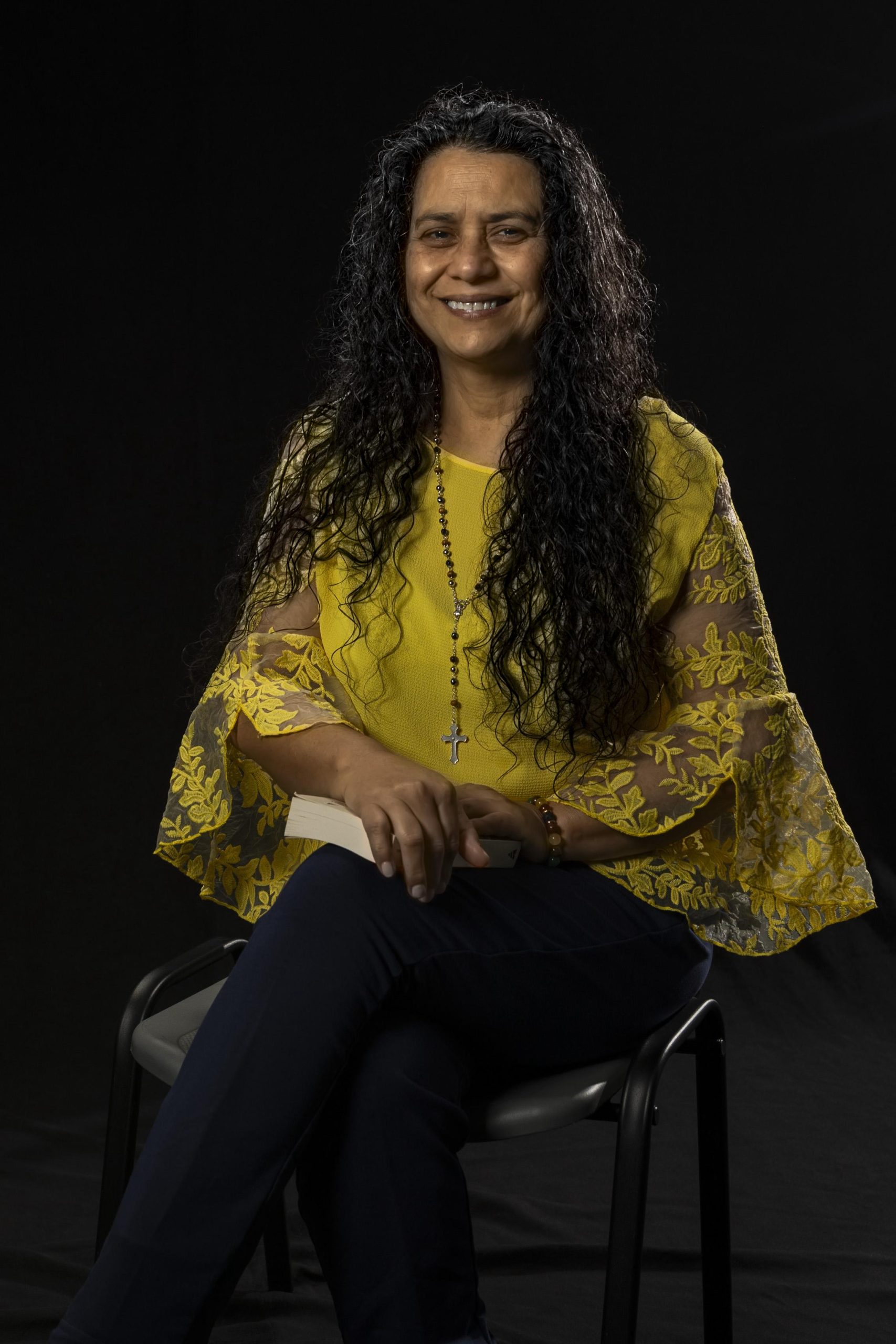
By Claudia Benitez
HoyLunes – I received a comment on last week’s article in which someone spoke to me about the importance of critical thinking and how it serves as a defense against the obsolescence of thought imposed by today’s world. It is necessary to continue analyzing our situation, trying to integrate into our reflection a series of questions that allow us to construct a critical mindset—one capable of becoming that defense.
Artificial intelligence is present in every aspect of our daily lives, no matter how simple. From our mobile phone, the vacuum cleaner, or the home alarm, AI has been integrated into daily life, just as radio, television, or the washing machine once were. It entered our lives without prior notice, making our tasks easier to the point that today it is simply another of our tools. We no longer think about how we came to create it or what its purpose is. We do not stop to reflect on how it influences our place in the world and affects our integrity.
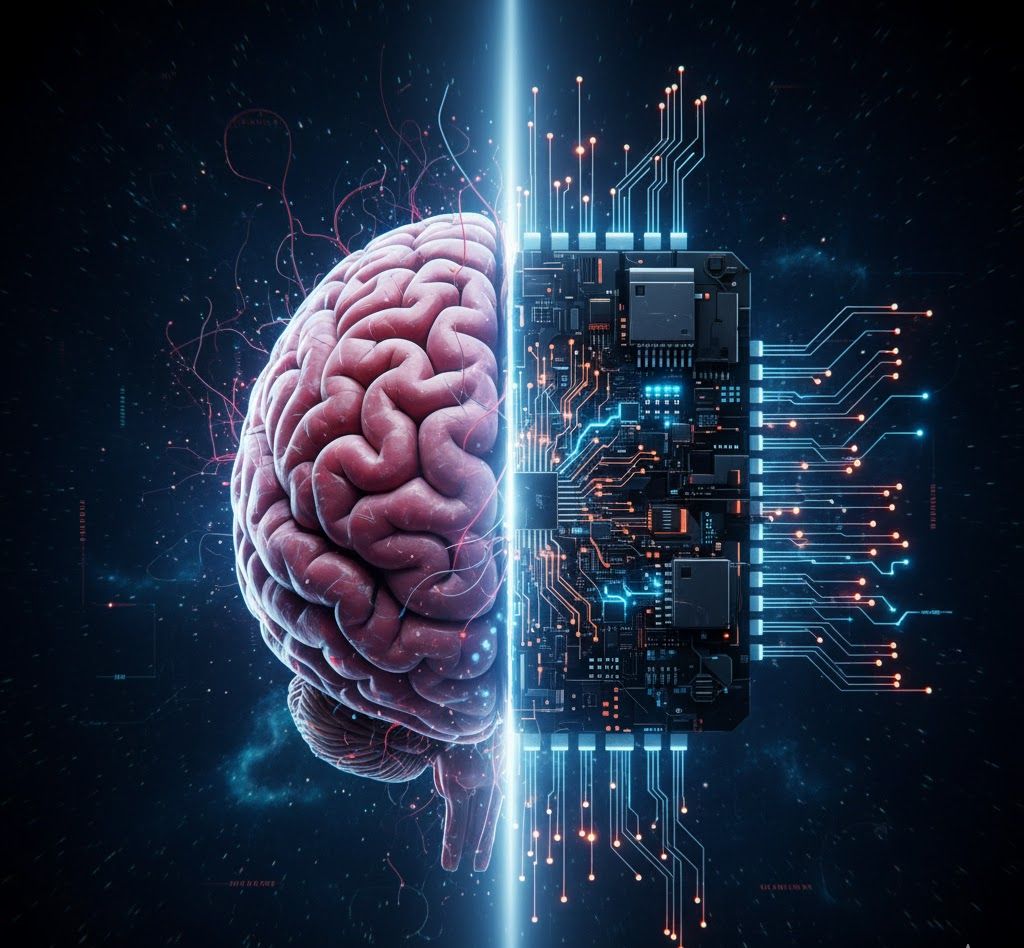
Technology permeates every aspect of our lives, and today the question echoes in everyone’s mind: To what extent are these no longer tools we use, but structures that use us? Are we no longer the ones directing technological evolution, but rather becoming the tools technology uses to evolve? But is that the right question? Is it even well formulated?
When we create an object, there comes a moment when that object acquires its own existence and comes to life—it begins its own cycle. Today we see how human creations enjoy a longer existence than those who made them. History has shown us how the consequences of our creations surpass us, as their use does not depend on the “creator.” We find ourselves within the same paradigm as the knowledge of nuclear fusion and fission and their consequences: we only see the problems afterward. We have no control over the effects and avoid reflecting on them. We repeat the same behaviors, without learning from history.
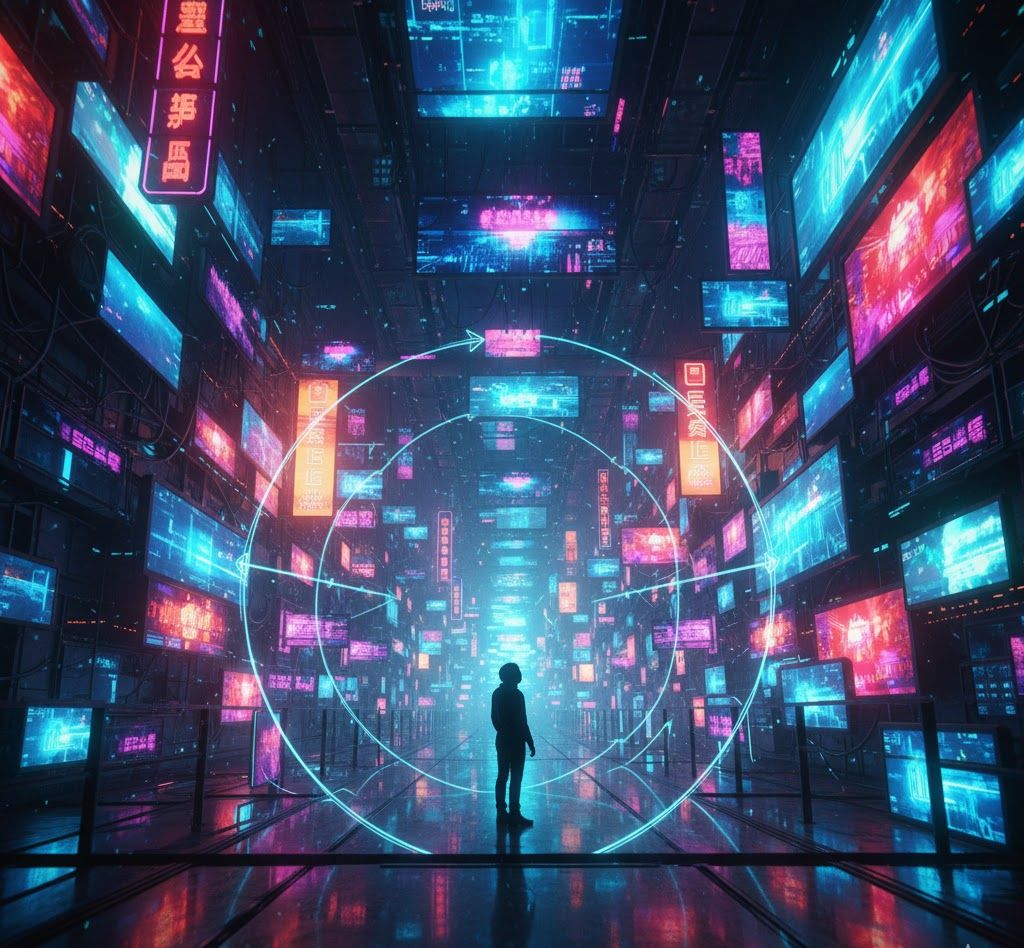
Today, we must think not only about the construction of artificial intelligence—although it is present in every action and communication we have—but also about the fact that, in creating it, we have come to imagine it as capable of feeding itself and becoming autonomous. More than fearing the product, we must question the creator of that product and its user—the awareness that both have of the object and of the consequences of its use.
How has automation transformed work? How has it transformed consumption? We have more tools, we’ve left behind repetitive tasks, and we gain time thanks to automation. Yet even experts are uncertain about the true impact of this evolution on human talent in a frantic society that grows by the day. No one knows where to draw the line, nor how deep the negative effects of this technological evolution may run.
In the midst of this uncertainty, professionals—especially engineers and those who work with technology—must turn their gaze back toward the human, the social, and the ethical.
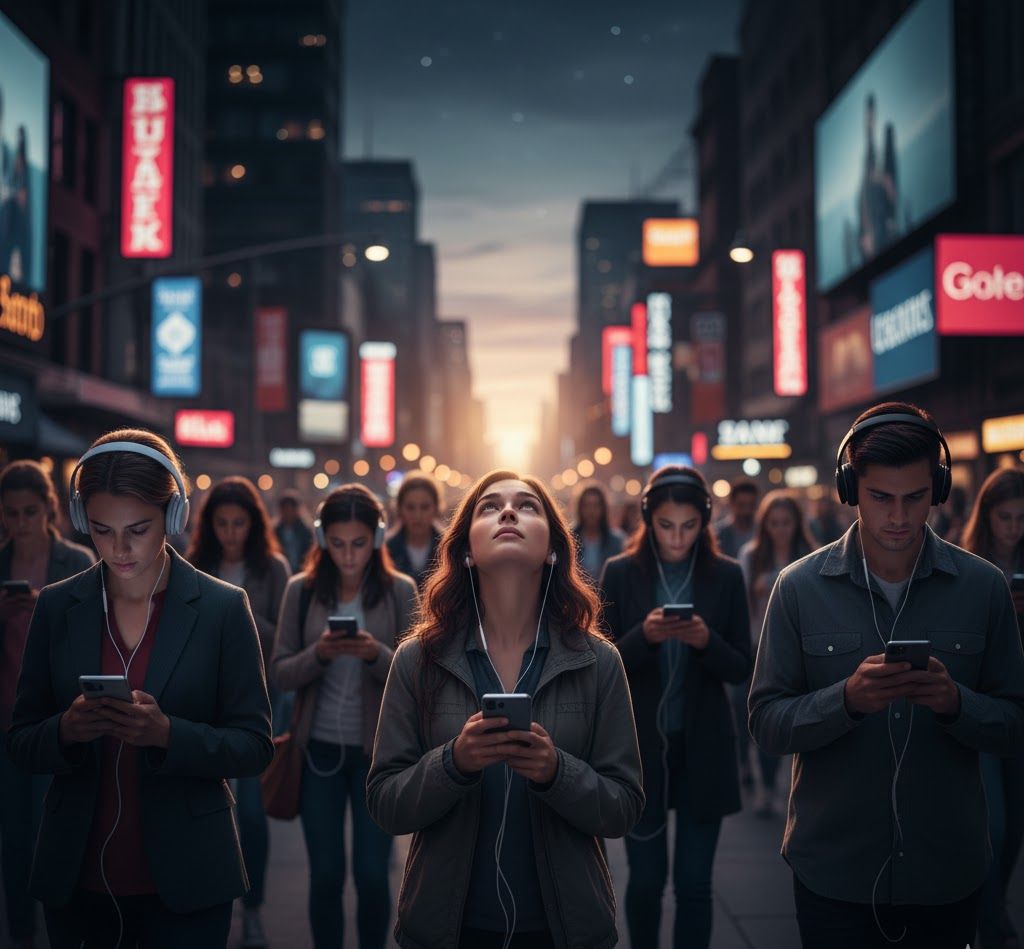
To delegate our talent and intellectual production to the productive ease of AI is to lead our thinking toward its own obsolescence. Relying on this technology and using it with full awareness of the limits we choose to impose upon it is the first step toward recovering and balancing the rhythm of things—and toward regaining “control” in this evolution that, at times, seems unstoppable.
#hoylunes, #claudia_benitez