Beyond the fiber: how artificial intelligence, mechanobiology, and the myokine dialogue are redefining the diagnosis of muscle diseases.
By Ehab Soltan
HoyLunes — For decades, myopathology was a discipline of static observation. The pathologist, armed with a microscope and classic stains, looked for signs of inflammation, necrosis, or protein deposits in isolated tissue samples. However, in 2026, the paradigm has shifted radically. Today, we understand that skeletal muscle is not just a motor; it is the body’s largest endocrine organ, a metabolic sensor, and an immunological sentinel whose failure resonates throughout the entire organism.
This conception, consolidated by pioneering works on the secretory role of the tissue, is not merely theoretical. Muscle dysfunction is linked to pathologies ranging from type 2 diabetes and cardiovascular disease to the cognitive impairment associated with aging. This systemic view has turned muscle into one of the main targets of contemporary preventive medicine.

The “Digital Myopathology” Revolution
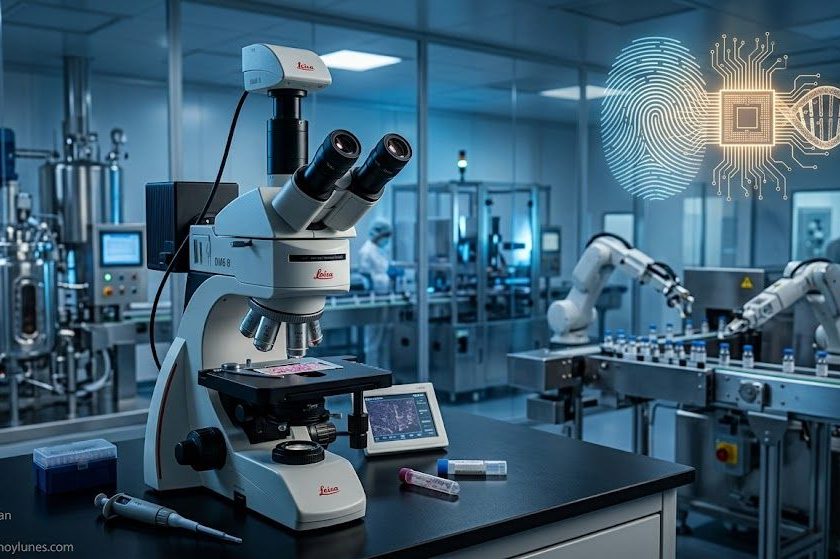
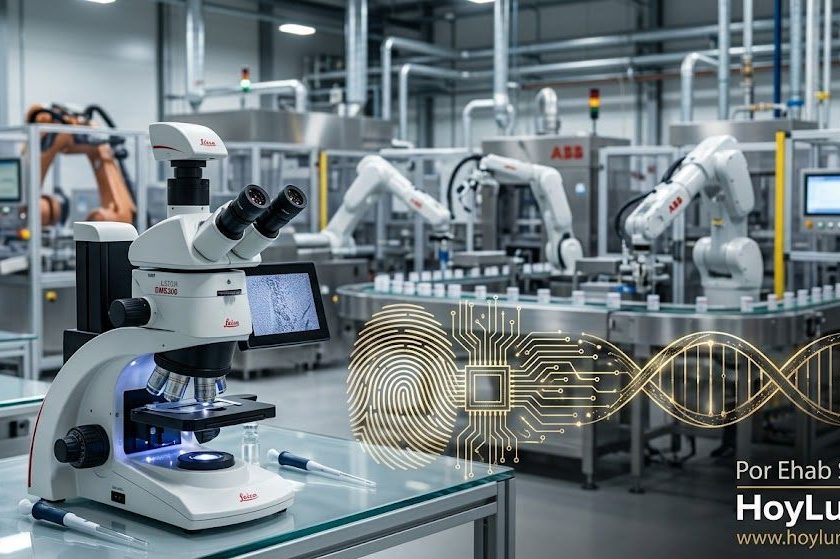
The first major leap toward excellence in this field has been the integration of Artificial Intelligence (AI) into histopathological analysis. We no longer rely solely on the specialist’s visual acuity to identify subtle patterns. New Deep Learning models allow for digital phenotyping that correlates fiber morphology with genomic data in real time, achieving precision comparable to that of the best human experts.
This “computational myopathology” detects fiber heterogeneity at a previously invisible cellular scale. In pathologies such as Duchenne Muscular Dystrophy or inclusion body myopathies, AI analyzes the connective tissue architecture and the distribution of satellite cells to predict the disease’s trajectory. Thus, it offers the clinician a window into the patient’s future before symptomatology progresses. Although many of these tools are transitioning through validation phases, their integration into translational research is already redefining the interpretation of muscle pathology.
The Muscle as an Endocrine Organ: The Myokine Dialogue
One of the most fascinating findings is the role of myokines. These proteins—such as interleukin-6 (IL-6), irisin, and the FGF21 factor—are secreted by the muscle in response to contraction or stress, acting as messengers capable of modulating metabolic, inflammatory processes, and neuronal functions.
Myopathology is no longer limited to studying the structural integrity of the tissue, but rather the “silence” or distortion of this molecular dialogue. When muscle becomes diseased, it stops producing protective signals for the brain and heart. This muscle-organ axis explains the coexistence of chronic myopathies with insulin resistance or cognitive decline. Understanding this network allows current medicine to move from treating a “local weakness” to managing comprehensive health.

Mechanobiology and the Virtual Biopsy: The End of Invasiveness
The most recent frontier is mechanobiology, where it has been demonstrated that the elasticity of the extracellular matrix regulates the behavior of muscle stem cells. It has been discovered that an excessively rigid matrix “tricks” these cells, preventing their regeneration. This finding drives the current use of therapies with senolytics to clear aged cells, a strategy that promises to revolutionize the treatment of sarcopenia.
In parallel, the virtual biopsy using multiparametric magnetic resonance imaging (MRI) and spectroscopy is displacing the traditional needle. By characterizing composition, metabolism, and inflammation in real time and throughout the entire body—overcoming the limitation of tissue fragments measuring barely two centimeters—specialists obtain a holistic and non-invasive image of the patient.
The Muscle as a Global Biomarker and European Sovereignty
This transformation raises a central question: can muscle be the new systemic biomarker of human health? Unlike isolated blood tests, muscle tissue integrates metabolic, neurological, and hormonal information over time. Muscle quality could anticipate the onset of chronic diseases years in advance, becoming a privileged diagnostic window.
This advance also has a geopolitical dimension. In a scenario dominated by the U.S. and China, muscle research is a field where Europe maintains a structural advantage. Thanks to large population cohorts and integrated public healthcare systems, the continent has become a natural laboratory for studying longevity. Paneuropean initiatives in aging medicine place the region at the vanguard of precision myopathology for the next decade.

Toward Personalized Muscle Medicine
Precision myopathology teaches us that muscle is the map of our resilience. With an aging population and the increase in metabolic pathologies, understanding its physiology is a State priority. The current challenge is to democratize these technological tools so that diagnostic excellence is not a privilege of a few centers.
The pathologist of the future will necessarily be a bioinformatician and an expert in systems biology. Science has been clear: caring for muscle tissue is, ultimately, protecting the integrity and autonomy of the human being.
Sources
Pedersen BK. Muscle as an endocrine organ.
Engler AJ. Matrix elasticity directs stem cell lineage specification.
Mercuri E. Muscle MRI in neuromuscular disorders.
OECD Health at a Glance.
Nature Medicine – AI in pathology.
#PrecisionMyopathology #MedicalArtificialIntelligence #PreventiveMedicine #Myokines #VirtualBiopsy #EuropeanScientificSovereignty #HoyLunes #EhabSoltan
This is for informational purposes only. For medical advice or diagnosis, consult a professional.