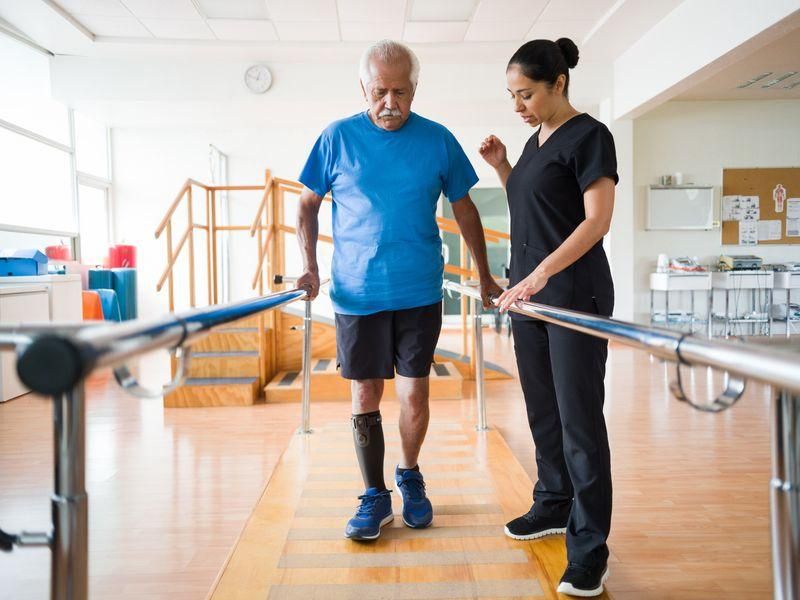

Disproportionate adipose tissue distribution and persistent limb pain can require a medical evaluation that goes beyond body weight, as understanding lipedema means distinguishing between physical appearance, clinical symptoms, and functional needs to guide healthcare tailored to each patient.
By Ehab Soltan
Reducing body weight can improve numerous health indicators, but it does not necessarily resolve all the discomfort a person experiences; at times, tissue sensitivity, pain on touch, or a feeling of heaviness in the limbs persists despite changes in diet and physical activity. These manifestations can have different causes, and one of them is lipedema, an adipose tissue disease that requires a specific clinical evaluation and whose understanding invites reflection on how we interpret the relationship between weight, pain, and health.
Observing the external characteristics of the body is one part of a medical assessment, yet understanding how a person feels and functions in everyday life can be equally important.
What the Scale Cannot Explain
Body weight is a useful indicator for certain health assessments, but it does not provide sufficient information about adipose tissue distribution, tissue sensitivity, or the causes of a functional limitation. In lipedema, joint assessment of body disproportion and symptoms is particularly relevant.
The German S2k clinical guideline distinguishes this condition from other forms of adipose tissue accumulation that do not cause pain and establishes that the intensity of discomfort is not necessarily related to the degree of physical disproportion. This distinction has important care implications, as a patient can experience considerable difficulties in daily life without presenting especially pronounced body changes; on the other hand, lipedema and obesity can coexist, so identifying one of these conditions should not prevent the healthcare professional from investigating the possible presence of the other.
When Discomfort Changes Daily Life
Choosing certain garments, standing during a workday, walking long distances, or taking part in recreational activities are everyday actions whose difficulty can increase when persistent pain is present—limitations that provide clinical information not always reflected in a body measurement.
During the consultation, describing the circumstances in which discomfort appears, its duration, its intensity, and the activities that have been given up can help the professional better understand the patient’s needs. This information also makes it possible to set therapeutic goals related to recovering capabilities, rather than focusing all attention on changes in body volume.
Diagnosis Begins with an Individualized Evaluation
Identifying lipedema is primarily clinical, since currently no laboratory or imaging test alone can establish a definitive diagnosis. Complementary examinations can help identify or rule out other causes of the symptoms, including certain venous, lymphatic, and adipose tissue disorders.
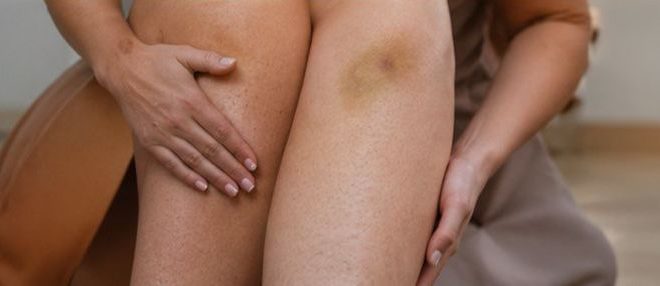
Differentiation is especially important because conditions with seemingly similar external manifestations can require different therapeutic approaches. Although photographs available on the internet can help raise awareness of certain features of the condition, they do not constitute a sufficient tool for self-diagnosis; a professional evaluation allows symptoms to be interpreted within a broader clinical context and avoids unnecessary or inappropriate treatments.
Functional Recovery as a Therapeutic Goal
Conservative care for lipedema can incorporate different resources, selected according to each patient’s characteristics and needs: adapted exercise and physical therapy can contribute to maintaining mobility, nutritional guidance helps address needs related to general health, and medical compression can be used to relieve certain symptoms.
Choosing a compression garment requires considering factors such as body dimensions, tolerance, ease of donning, and the everyday activities of the person who must wear it, becaus
e the ability to incorporate a treatment into daily life deserves as much attention as its technical features, and an intervention that is difficult to sustain can limit its practical usefulness. Therefore, observing changes in pain, mobility, and personal independence provides relevant information for assessing treatment outcomes.
A patient’s recovery is also measured by the activities she returns to doing, not only by the changes her body experiences.

Surgery in Light of Different Clinical Recommendations
Surgical treatment of lipedema is an area in which differences persist between the recommendations of different health bodies. The 2024 German S2k clinical guideline considers specialized liposuction in selected patients, especially when pain persists despite conservative treatment or certain functional complications exist, whereas in the United Kingdom NICE has adopted a more restrictive position, considering the available evidence on the safety and efficacy of the procedure insufficient and recommending that it be performed within a research context.
These differences reflect the need to continue evaluating long-term outcomes and to inform patients about potential benefits, risks, and available alternatives. Surgery requires specialized evaluation and should not be presented as a guarantee of cure, and some patients may also need to maintain conservative measures after the procedure.
Healthcare That Preserves Autonomy
Lipedema poses a challenge that goes beyond identifying an adipose tissue disorder, as caring for it requires understanding the relationship between physical symptoms, functional capacities, and emotional well-being. Coordination among professionals from different disciplines can facilitate care better suited to individual circumstances, preventing the patient from having to face in a fragmented way issues that are part of the same clinical experience.
In this context, health education also plays an important role: understanding the goals of each treatment, participating in care decisions, and having realistic expectations makes it possible to establish a more informed relationship with professionals. A patient’s favorable progress is not always reflected on a scale or in a reduction of limb circumference; it can also show in the ability to walk more comfortably, return to a dropped activity, or get around with greater independence.
Recognizing these outcomes allows quality of life to be placed at the center of healthcare and makes it clear that treating a condition does not necessarily end where physical change begins.
Scientific Reference Sources
Faerber G. et al. S2k guideline lipedema. Journal der Deutschen Dermatologischen Gesellschaft, 2024. [https://doi.org/10.1111/ddg.15513]
National Institute for Health and Care Excellence (NICE). Liposuction for chronic lipoedema. [https://www.nice.org.uk/guidance/htg618]
National Library of Medicine. Lipedema Diagnosis, Clinical Manifestations, and Therapeutics: A Systematic Review. [https://pubmed.ncbi.nlm.nih.gov/41498193/]
Medical disclaimer: This article is for informational and educational purposes. It does not replace clinical evaluation, diagnosis, or recommendations from a healthcare professional. If symptoms persist or lipedema is suspected, seeking a specialized medical assessment is recommended.