There are people who no longer know how to rest. Not because they lack vacations, nor because they do not travel, nor even because their schedules are an unsustainable labyrinth. It is something more intimate, almost cellular: they have forgotten what it feels like to be still without experiencing guilt.
By Ehab Soltan
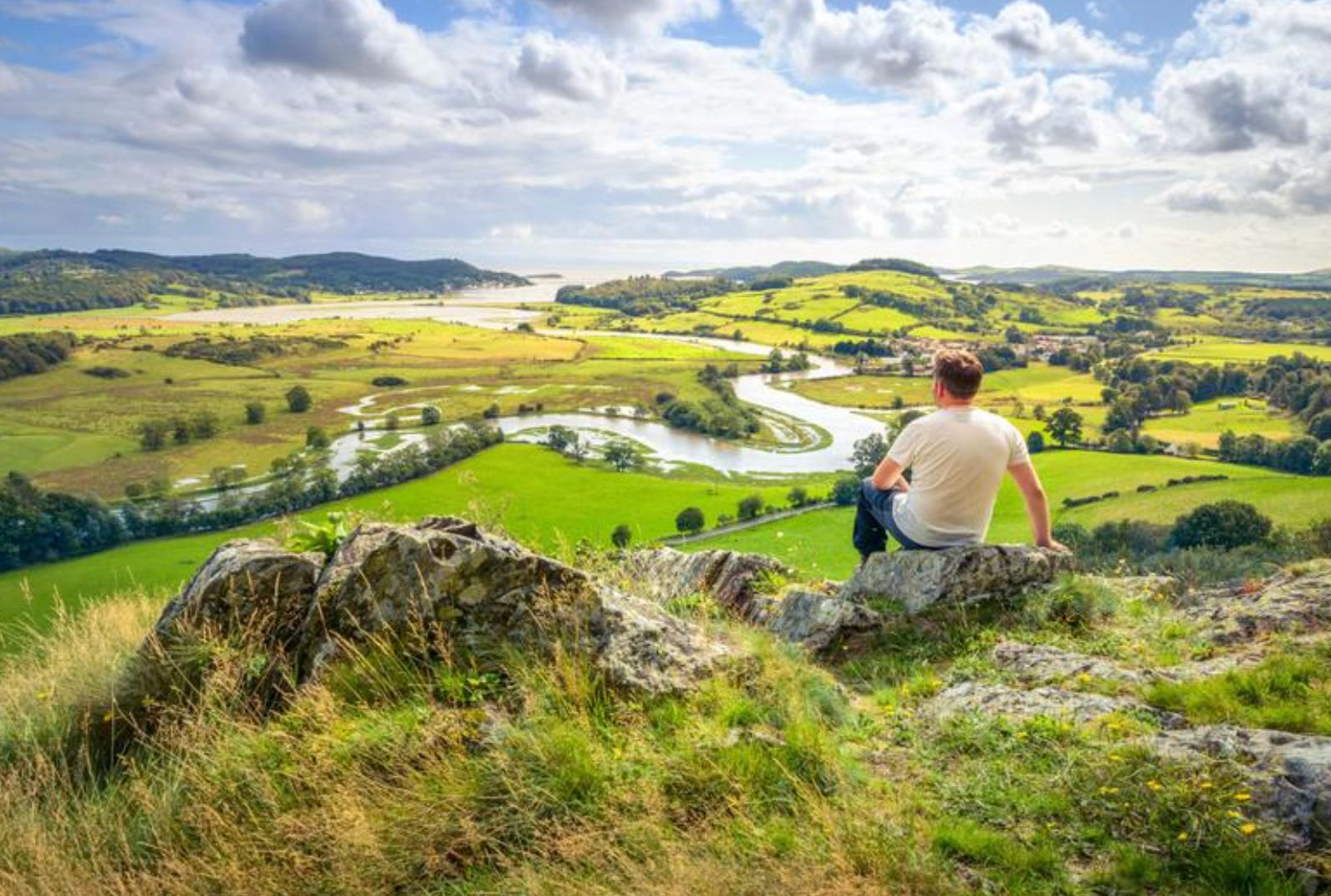
HoyLunes – On her first night in the Highlands, Clara woke up four times. It was not the cold of the northern dawn, nor the creaking of the wood, nor that dense silence of the Scottish countryside that you can almost touch. It was a much more subtle and recognizable internal vibration: the anxiety of the void. At 39 years old, she had spent months fantasizing about this trip from her apartment in Madrid. She dreamed of turning off her phone, dissolving pending meetings, and surrendering to a landscape devoid of notifications. However, upon arrival, she came face-to-face with one of the great uncomfortable truths of our time: the body can cross borders in a matter of hours, but the mind takes days to leave the city.
“The true modern exhaustion does not stem solely from the workload; it comes from the terrifying inability to coexist with one’s own silence”.
At three in the morning, a mechanical impulse led her to reach for her phone on the nightstand. She was not expecting any urgent message; it was the simple automatism of a fragmented attention span. On the other side of the glass, the Siberian wind combed the valleys with a calmness that felt almost aggressive to a brain accustomed to constant bombardment. In that instant, Clara understood the nature of her fatigue.
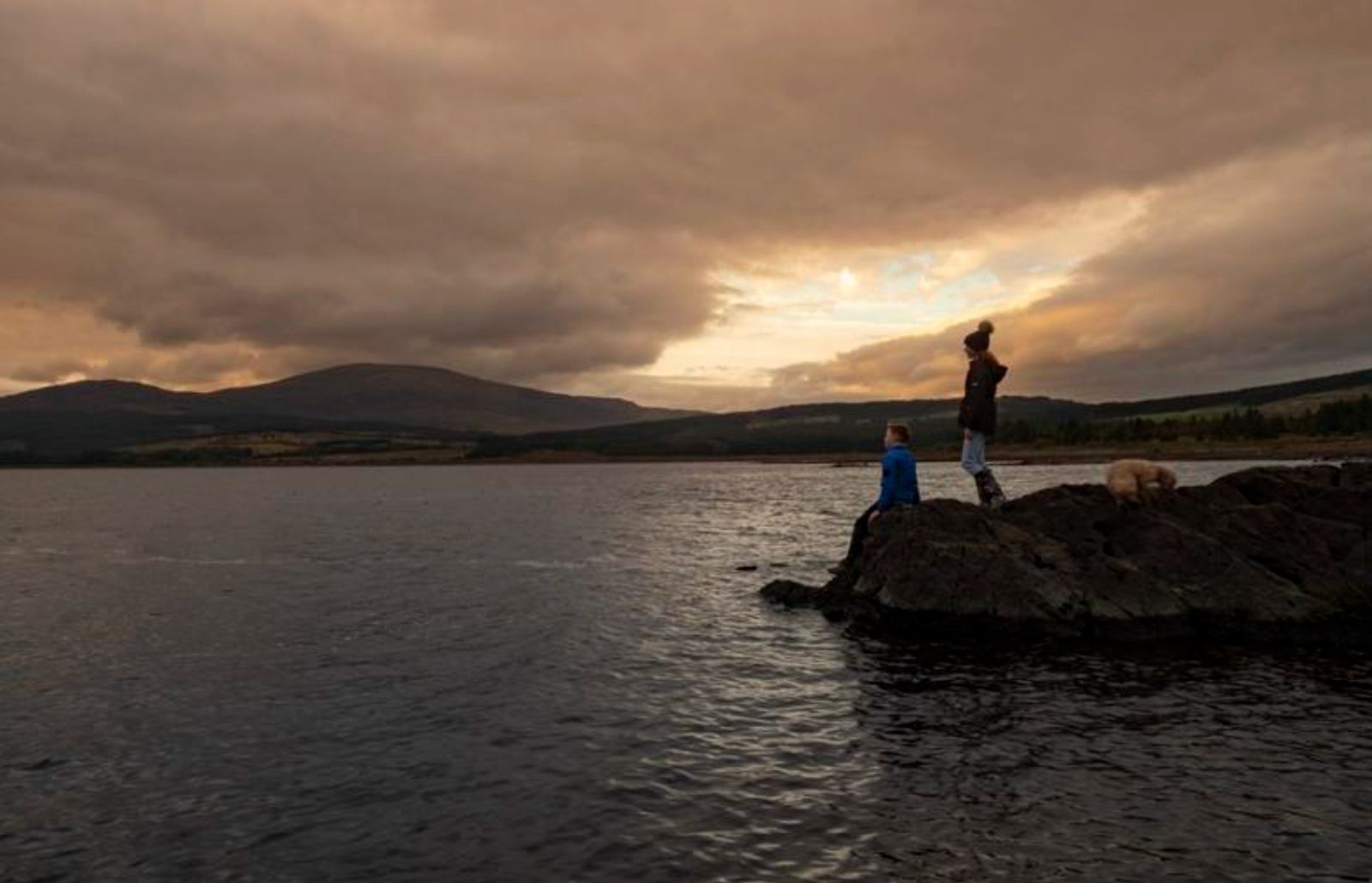
Scotland seems to have deciphered this contemporary wound before the rest of the continent. For this reason, without any need to proclaim it in loud campaigns, it has established itself in 2026 as the most emotionally intelligent wellness destination in the world. Its proposition consciously eludes the artificial luxury designed for the digital showcase. The country has understood that a generation saturated with stimuli is no longer looking to accumulate experiences; what it pursues, with quiet desperation, is to reclaim the scale of its own life.
The New Luxury: Sleeping Without Defending Oneself from Noise
The Scottish hotel industry has begun to demolish an idea we took for granted: that traveling is about accumulating miles and checking off places on a map. Instead, the current architecture of the north is being designed around subtraction. Fewer stimuli, fewer interruptions, more room to breathe.
In the northeast of the country, the investment in The Marcliffe, in Aberdeen, does not chase traditional opulence. The city’s only five-star hotel has reconfigured its space with the visitor’s nervous exhaustion in mind. Its glass dome in the central courtyard functions as a filter against haste. The light falls differently there, and the heated outdoor seats invite guests to watch the afternoon pass by without the obligation to produce anything, deactivating that typical habit of ours to consume days instead of inhabiting them.
That same search for distance is what breathes through Murrayshall Country Estate, in Perthshire. Following a £30 million investment, its new luxury pods offer radical privacy in the middle of the countryside. They are not designed for bourgeois isolation, but rather as a firewall for the mind. They come equipped with underfloor heating and a design that erases the boundaries with the outdoors, allowing whoever stays there to remember what it means to spend hours without accounting to anyone.
In Edinburgh, urban hospitality follows the same line of restraint:
Ruby Hotel: With 300 rooms on Princes Street and an open terrace facing the stone profile of the Old Town and the Castle, it cleanses the horizon of advertising screens.
Clayton Hotel: On St Andrew’s Square, where 172 rooms have been restored while respecting the original ceilings and moldings to offer a sobriety that calms the eyes.
Edinburgh 16-20: A refuge on Castle Street with just 28 suites of a confidential air and dense fabrics, designed by Malcolm Duffin to isolate the senses from the murmur of traffic.
Ardbeg House (Islay): 12 rooms tied to the mystique of a bicentennial distillery on an Atlantic island, where rest catches the rhythm of whisky: the patience of processes that take years to mature.
On the third day of the trip, sitting on one of Edinburgh’s terraces, Clara caught herself with her fork suspended mid-air, looking with her eyes for the phone she had left packed away in her backpack. It was hard for her to chew without reading. She had spent so much time replying to messages during meals that she no longer knew how to eat without looking at a screen. The lamb dish grew cold in front of her while her body, uncomfortable, tried to relearn the physical habit of pure presence, without the sedative of a constant flow of data.
The Body Remembers What the Mind Forgets: Impact Therapy
Sometimes the mind does not calm down through gentleness; it needs a physical jolt. When the digital routine numbs the body, wellness requires an impact that forces the nervous system to return to the present.
In Loch Tay, the wood-fired floating sauna of the “HotBoat” cuts through the dark, cold water of Perthshire. Inside the cabin, the steam slowly fogs the glass while a few people sit in silence looking at their own hands, reddened by the heat. No one speaks. Outside, the Highlands remain shrouded in mist. Minutes later, comes the plunge into the freezing water of the lake.
This brutal contrast, also present on the shores of Loch Venachar with Callander’s new Wild Spa—where a red cedar tub is kept at 3°C—instantly cuts off any loop of productive anxiety. Under three-degree water, there is no room to plan the week, review metrics, or check pending emails. The cold erases the past and the future in a single stroke. Only the heartbeat and the physical need for air remain.
On the North Berwick coast, Hot & Bothy Community Sauna brings this rawness to a collective dimension. Behind the Archerfield Walled Garden, its wood-fired yurta gathers strangers who share the wooden bench and the sweat. It is an inclusive project, run by queer people, where neutrality toward the body and the absence of mirrors eliminate the labels we drag along in the office or on social networks. Stripping away appearances to sit next to others in front of the fire is the furthest thing from that modern culture that demands we turn our free time into a showcase of our supposed perfection.
Gazing at the Stars to Reclaim the Human Scale
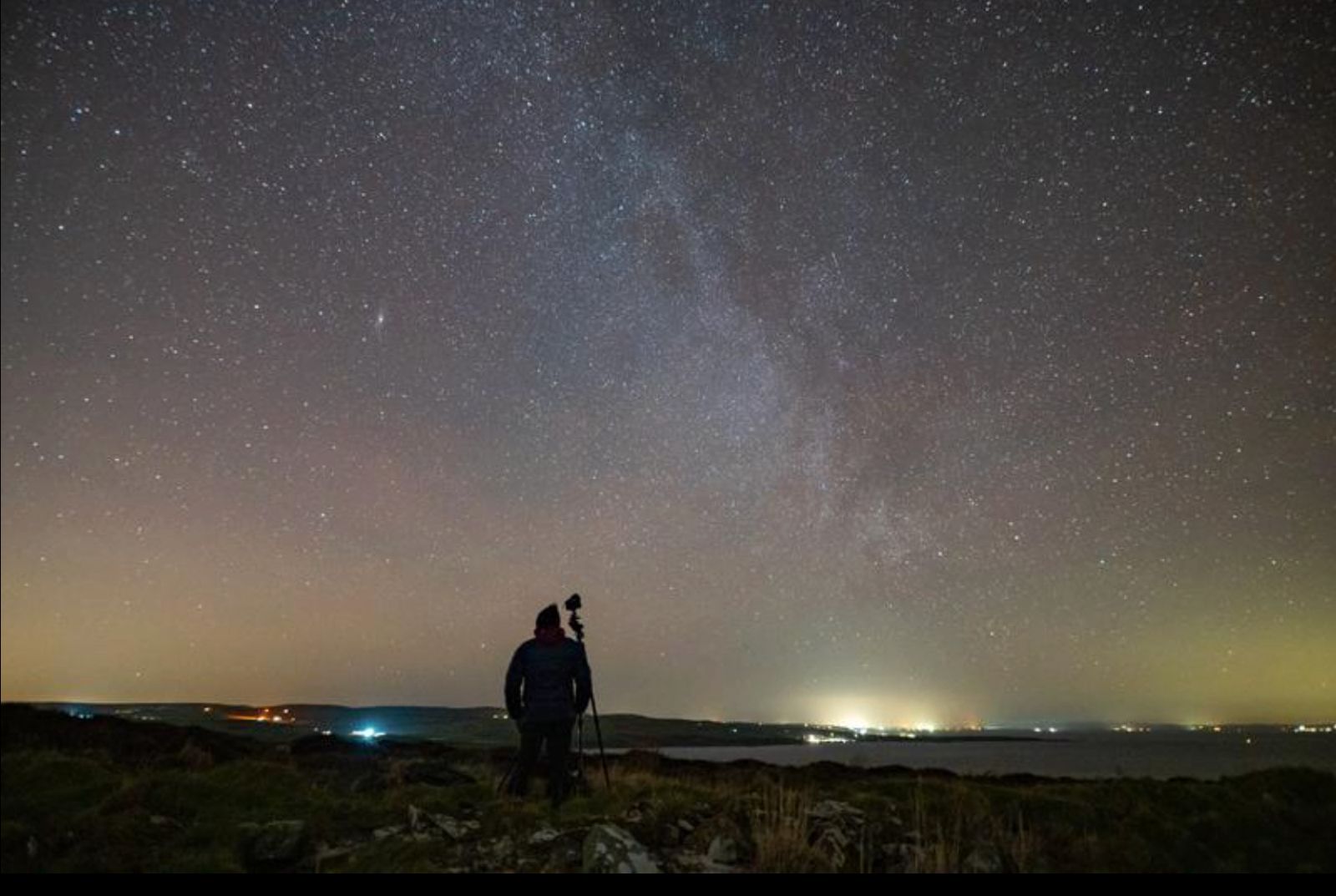
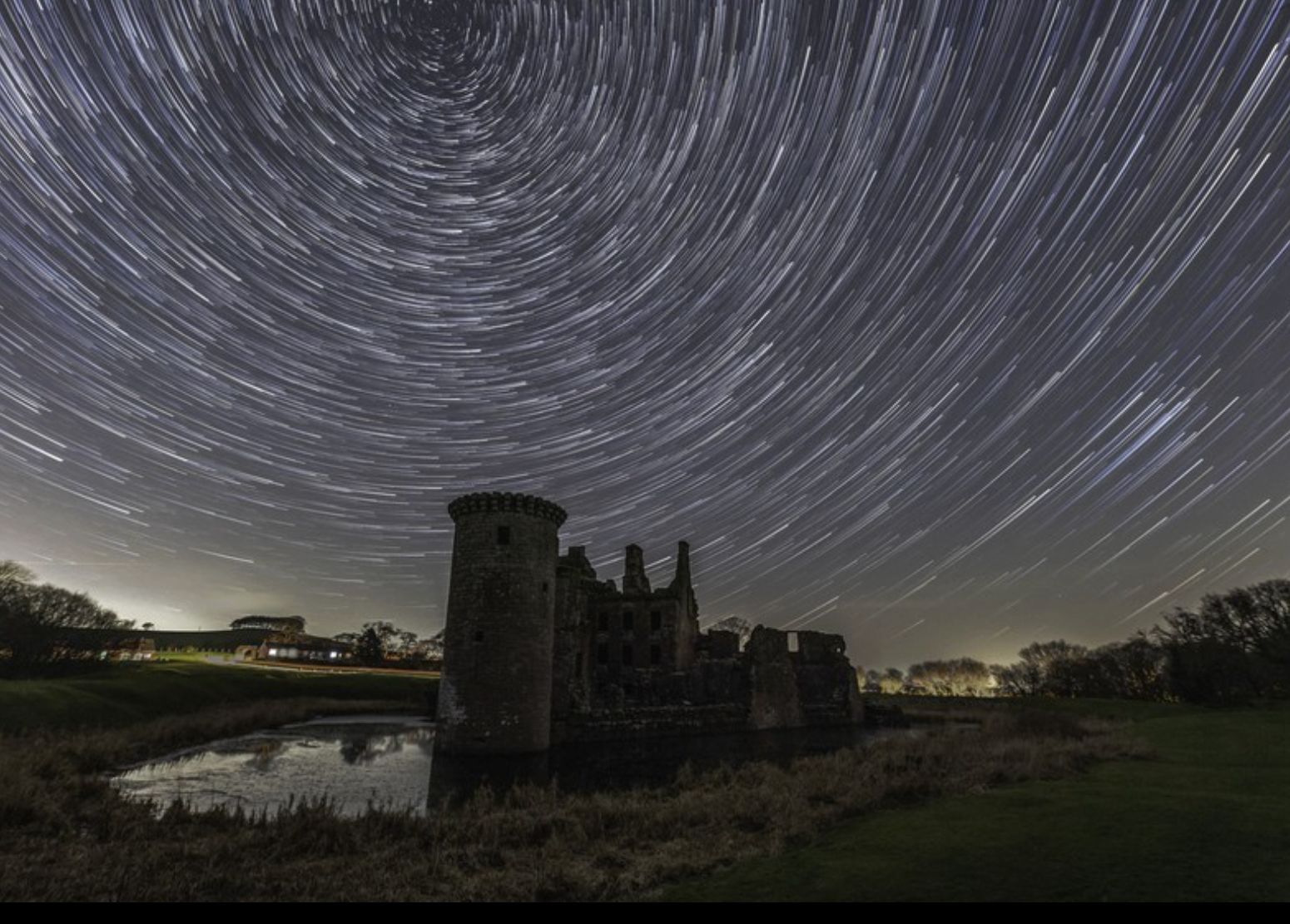
We have built cities where the night no longer exists. The constant glare of LED panels and the blue light of devices have stolen our nocturnal horizon, erasing that perspective of immensity that served to calm us for millennia.
Therefore, the £1.5 million invested in the new Scottish Dark Sky Observatory, in Dumfries and Galloway, represents something more than a scientific project. Located next to Clatteringshaws Loch, in one of the country’s five areas holding the Dark Sky Place status with gold-tier certification for its pure darkness, the center features two observation domes and a 360-degree planetarium. Standing down there to look at a truly black sky is not a leisure activity; it is a reality check that restores daily problems to their actual size.
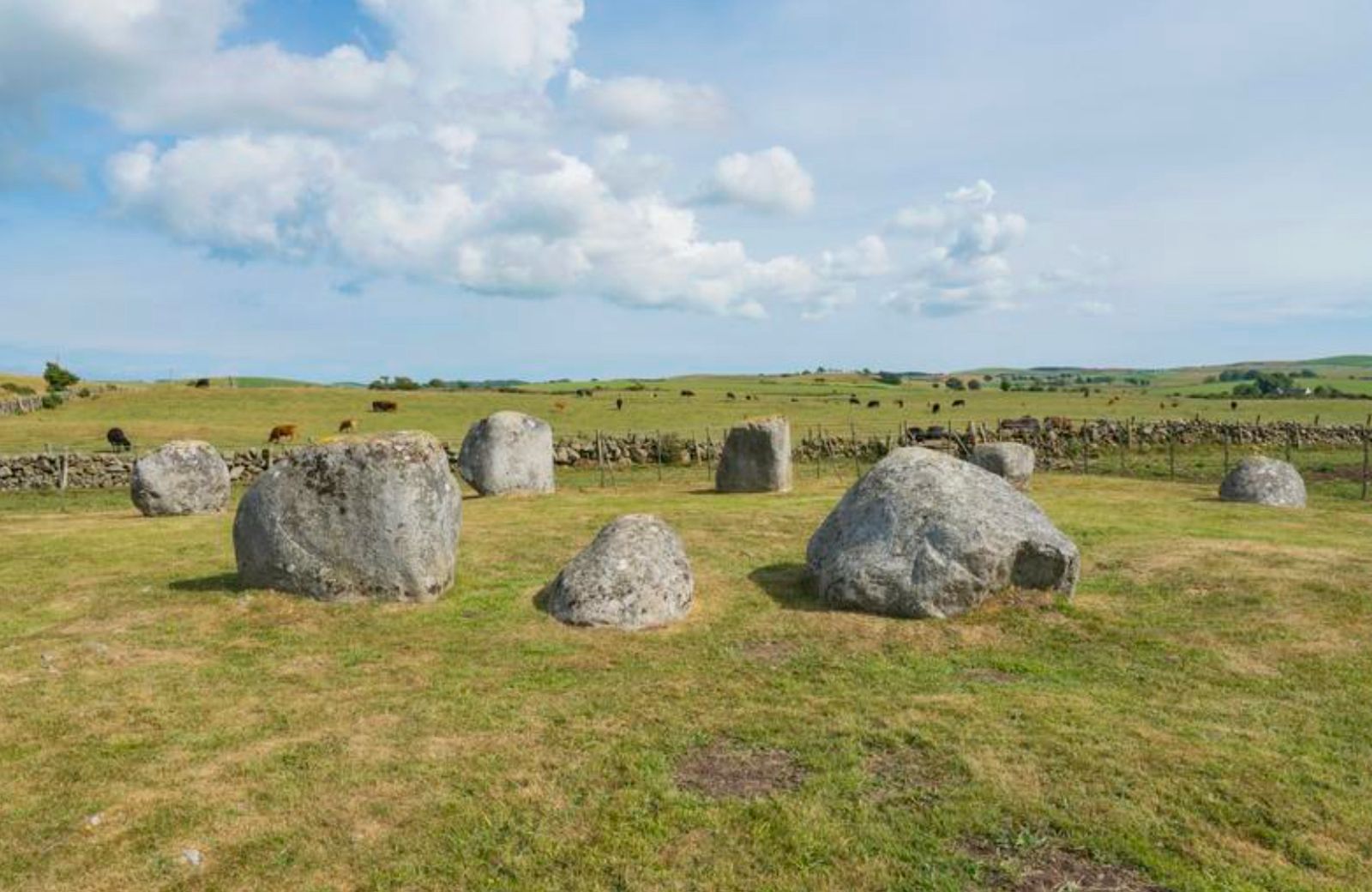
That same historical gravity is felt in the stone monuments of the north. The Calanais Standing Stones, on the Isle of Lewis, reopens its visitor center following a £10.1 million redevelopment designed to interpret a Neolithic landscape that continues to evade logical explanations. A similar experience is offered by the Tomb of the Eagles in the Orkney Islands, which opens once more after being closed for five years. To enter the Isbister burial chamber, discovered by a farmer in the 1950s, one must lie down on a small wooden cart and slide at ground level through a narrow three-meter passage. Upon reaching the interior, beneath the new glass roof, what is found is not just archaeology: it is the weight of five thousand years of absolute silence.
Wellness Is No Longer About Escaping from Life
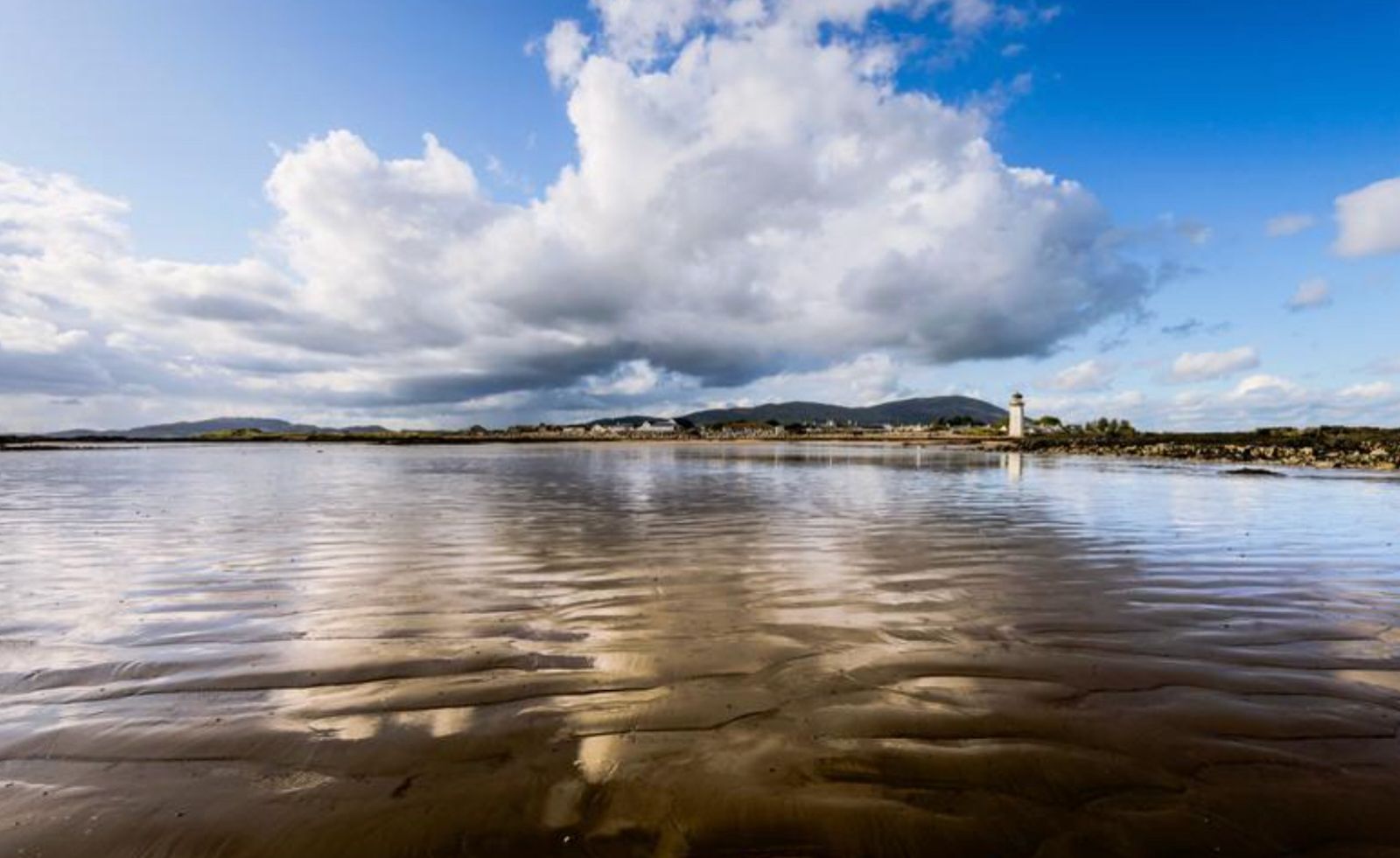
Scotland’s success lies in having understood that traditional weekend spas no longer work. People do not want a quick fix to forget their routine for forty-eight hours and then return to the same rhythm that exhausts them; they seek a space where they can understand why they live in a state of permanent tiredness.
“People do not want a quick fix to forget their routine for forty-eight hours; they seek a space where they can understand why they live in a state of permanent tiredness”.
This conversation runs through the country’s tourism offering. It is noticeable in the stillness of the historic Palm Houses at the Royal Botanic Garden Edinburgh, whose 19th-century iron vaults reopen to the public to house six hundred species of rare plants protected from the outside noise. It is perceived in the retreats of Harmony Fields, in Stirlingshire, where small groups spend the day harvesting medicinal plants and sharing head massages next to a stream, without the obligation to document their happiness in a photo.
Even more down-to-earth initiatives, like the Alpacan family farm on the Isle of Lewis, move away from predictable entertainment. The time spent with their alpacas and the subsequent workshops to card wool and make handmade soap in a native cabin return the traveler to the rhythm of manual crafts and crofting tasks, where things take as long as they need to take. And as night falls in the city, venues like SOBR in Aberdeen—the country’s first 100% alcohol-free bar, on Thistle Street—prove that Art Deco design and nightlife can exist without the need to seek chemical evasion. It is the defense of lucidity: the right to chat in the early hours of the morning with a completely clear head.
The Place Where Silence Is Heard Again
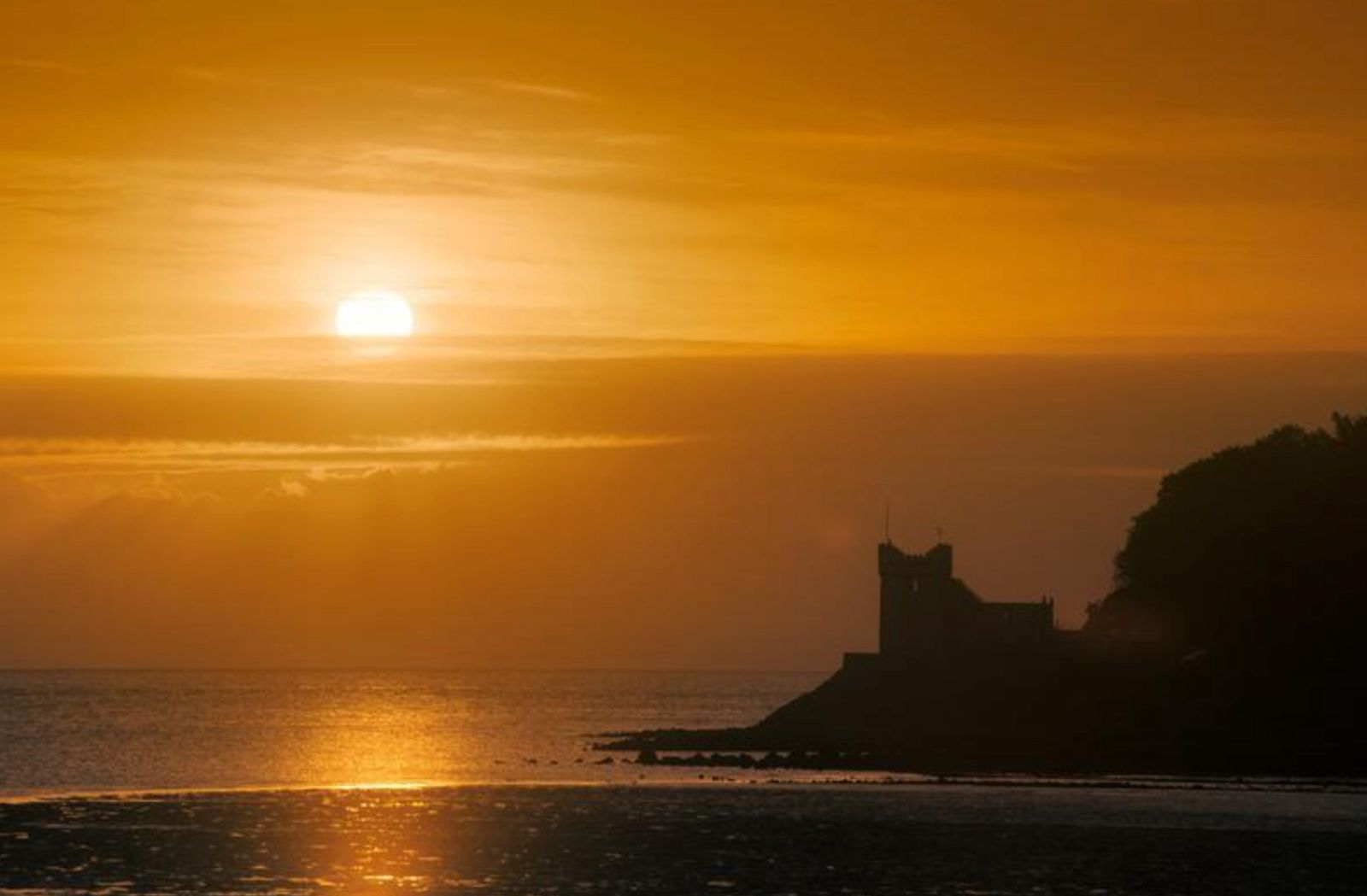
On her last morning on the Isle of Lewis, before taking the ferry back, Clara walked along the cliff without her headphones on. There was no epiphany, no magical transformation, no grand schemes written down in a notebook.
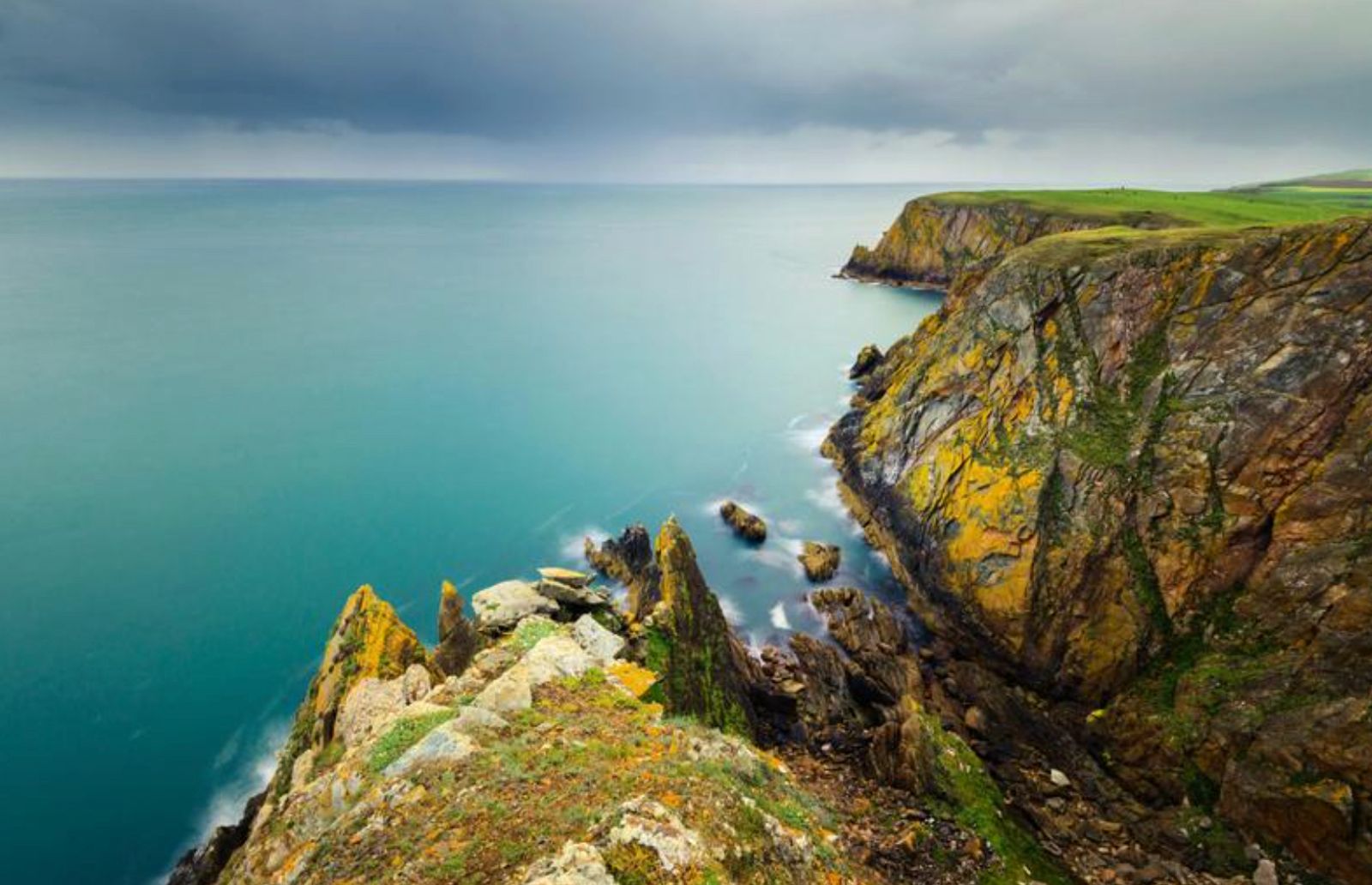
Only the Atlantic wind. The constant crash of water against the dark rocks. And a physical sensation that took her a few minutes to recognize: her mind was not planning the next day, nor reviewing the mistakes of the previous one. It was right there, occupying exactly the same space as her shoes upon the wet grass.
That is why Scotland has become the refuge of this mid-decade. Not because it holds a magical answer to the problems of the 21st century, but because it recalls a truth that major capitals have erased from our minds: that the true luxury of today is not about going faster or getting further. The true luxury is realizing that time, for an instant, belongs to you once again.
#VisitScotland #TurismoConsciente #BienestarEmocional #SlowTravel #Escocia2026 #SaludMental #DestinosConAlma #HoyLunes #EhabSoltan